Alista Script: A Stylish Touch for Modern Design
When you're working on a project that calls for personality, a standard sans serif font can feel a bit sterile. You need something with warmth, flow, and a human touch. This is where a premium script font like Alista Script enters the picture. It’s not just a typeface; it’s a design tool built for moments where elegance and authenticity are key. As a display font, its primary job is to grab attention and set a mood, making it a valuable asset for any creative professional's toolkit.
Understanding the Alista Script Aesthetic
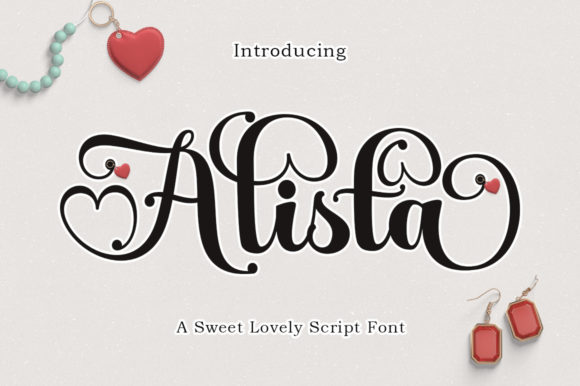
At its core, Alista Script is a stylish and delicate script font. Think of it as a digital embodiment of skilled penmanship. The letterforms connect smoothly, creating a sense of movement and sophistication that you won’t find in a serif font or a rigid sans serif font. Its visual character strikes a balance—it’s refined enough for formal applications yet retains a friendly, approachable feel. This duality is what makes it so versatile. It feels personal and intentional, immediately elevating a design from ordinary to memorable.
The appeal of this handwritten font lies in its ability to convey emotion. In a world saturated with flat, geometric typography, a script font offers a tactile quality. It suggests craftsmanship and care. For a business, this can translate into a brand that feels more human and connected to its audience. For a personal project, like a wedding invitation, it adds a layer of intimacy and celebration that block letters simply cannot achieve.
Where Alista Script Truly Shines
The real value of any creative font is in its application. Alista Script is designed to excel in specific scenarios where its strengths are maximized. It’s a workhorse for projects that aim to make a personal impression.
- Wedding and Event Stationery: This is its natural habitat. For wedding invitations, thank you cards, and greeting cards, the font provides the necessary elegance and romance. Its flowing style sets a celebratory tone from the very first glance.
- Logo and Brand Identity: For businesses in boutique retail, beauty, lifestyle coaching, or artisanal food, Alista Script can form the cornerstone of a logo design. It helps build a brand identity that feels bespoke and high-end. Pairing it with a clean sans serif font for body text creates a professional yet personal font pairing.
- Marketing and Social Media: In the fast-scrolling environment of Instagram or Pinterest, social media graphics need to stop the thumb. A quote graphic or promotional image featuring Alista Script stands out. Its delicate style adds visual interest without overwhelming the message, making it perfect for quotes, headlines, and call-to-action overlays.
- Publishing and Editorial Design: While not suited for long-form body copy, it’s excellent for editorial design elements. Think chapter titles in a cookbook, pull quotes in a magazine, or the title on a book cover. It adds a layer of sophistication that enhances the reader's experience.
- Packaging and Product Design: For packaging design, especially for cosmetics, artisan goods, or specialty foods, this font communicates quality and attention to detail. It can make a product feel more luxurious and considered on the shelf.
Practical Guidance for Using This Typeface
Integrating a new font into your workflow requires more than just liking its look. As a commercial font, Alista Script comes with practical features that make it a professional-grade tool. One of its most significant advantages is that it is PUA encoded. This is a crucial technical detail for designers. It means you can easily access all of the extra glyphs, swashes, and alternates through standard software like Adobe Illustrator, Photoshop, or even Canva, without needing specialized OpenType features. This accessibility allows for greater customization and creativity in your lettering.
When evaluating if this font fits your project, consider the context. Its strength is in headlines and short bursts of text. Using it for a full paragraph would quickly hurt readability. The goal is to use it as a highlight—a display font that draws the eye—while relying on a more straightforward typeface for informational text. This practice establishes a clear visual hierarchy, guiding your audience through the content naturally.
Before finalizing your choice, always test it. Type out your specific words or phrases to see how the letters connect and flow. Check the spacing and ensure it aligns with your design’s overall rhythm. Review the included styles and alternate characters; these extras are what separate a standard font from a premium font and allow you to create truly unique typographic compositions.
Finally, understand the licensing. Since it’s a commercial font, ensure you have the correct license for your intended use, whether it’s for a client project, merchandise, or a digital product. This is a standard professional courtesy and a legal necessity. By treating Alista Script as a serious design asset, you can leverage its full potential to create work that is not only beautiful but also effective and professional. It’s a typeface that, when used thoughtfully, becomes a powerful ally in crafting compelling visual communication.