Mallorca Script: A Fresh Take on Handwritten Typography
Finding a typeface that feels both personal and polished is a common challenge. You want something with character, but it can't sacrifice clarity. You need a font that feels human, yet remains versatile enough for professional work. This is where a well-crafted script font becomes invaluable. Mallorca Script enters the scene as a thin-lettered handwritten font designed to bridge that gap. It offers a contemporary, fresh aesthetic that aims to be a true favorite in any designer's toolkit. Its value lies in its ability to add warmth and a personal touch without looking messy or overly casual.
Visual Style and Personality
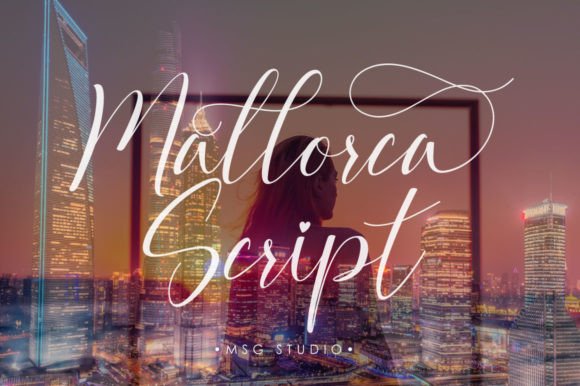
At first glance, Mallorca Script presents a clean, flowing rhythm. The thin strokes give it an elegant, lightweight feel, distinguishing it from heavier, more traditional script fonts. Its letterforms are connected in a natural, handwritten style, but with a consistency that speaks to careful design rather than spontaneous scribbling. The overall personality is approachable, modern, and slightly sophisticated. It doesn’t try to mimic a centuries-old calligraphic hand; instead, it feels like something you might see in a contemporary café menu, a boutique brand's logo, or a stylish wedding invitation. The font carries a sense of effortless creativity.
A key feature that significantly boosts its practicality is its PUA encoding. This technical detail means every glyph, swash, and alternate character is accessible through standard design software. For you, this translates to effortless customization. You can easily add those elegant flourishes at the beginning or end of a word, or swap out a standard letter for a stylistic alternative to give your text a more unique, hand-lettered appearance. This accessibility turns a static font into a dynamic design asset, allowing for nuanced typographic expression without needing advanced software skills.
Where This Font Truly Shines
The real test of any premium font is its application. Mallorca Script finds its strength in projects where personality and readability must coexist. In branding, it’s an excellent choice for logo design, especially for businesses in the lifestyle, beauty, artisan food, or boutique hospitality sectors. It can instantly convey a brand identity that is both friendly and refined. Think of a logo for a local bakery, a yoga studio, or a handmade soap company—Mallorca Script would fit right in, establishing a warm and authentic connection with the audience.
For marketing and social media graphics, its impact is immediate. The font’s distinctive style helps create visual hierarchy, making headlines and key messages pop. It works beautifully for Instagram stories, Pinterest pins, or Facebook ads where you need to stop the scroll with something that feels personal and engaging. In editorial design, such as magazine pull quotes or chapter headings in a book, it adds a touch of human elegance. For packaging design, it can elevate a product's shelf appeal, suggesting that care and craftsmanship went into what's inside.
Even in personal projects, its utility is clear. Hobbyists and crafters can use it for custom invitations, greeting cards, or personalized art prints. The PUA encoding makes it simple to create those special, one-of-a-kind touches. For digital creators, it’s a web-safe option for blog headers or website banners, adding personality to an online space. Its versatility across print and digital, commercial and personal, is a significant part of its appeal.
Practical Guidance for Using Mallorca Script
Choosing a font like Mallorca Script is just the first step. Using it effectively requires a bit of strategy. The most critical factor is context. Because it is a display font, it’s not suited for long blocks of body text. Its thin strokes, while elegant, can reduce readability at small sizes or in dense paragraphs. Reserve it for headlines, short phrases, logos, and accents. For body copy, pair it with a highly legible serif font or a clean sans serif font. This creates a balanced visual hierarchy where the script draws attention, and the body font delivers information comfortably.
Evaluate its fit for your project by considering your audience and message. If you're targeting a young, creative demographic or aiming for a boutique, artisanal feel, Mallorca Script is likely a strong contender. If your project demands a more corporate, technical, or minimalist tone, a different typeface might be more appropriate. Always test the font with your actual content. Type out the names, headlines, and key phrases you plan to use. Check the spacing, the flow of the connections between letters, and how the alternates and swashes enhance the text. Does it read easily? Does it convey the right emotion?
When considering font pairing, think in terms of contrast and complement. A sturdy, geometric sans serif font can provide a modern, stable counterpoint to Mallorca Script's fluidity. A classic, understated serif font can create a more traditional, sophisticated pairing. Avoid pairing it with another highly decorative script or a font with a similar weight, as this can create visual competition and confusion. The goal is harmony, where each typeface has a clear role.
Finally, review the full character set. Explore the stylistic alternates and swashes included. Understanding what’s available allows you to fully leverage the font’s potential for customization. For any commercial use, ensure you have the correct license. This is a standard part of working with commercial fonts and protects both you and the font designer. By thoughtfully applying Mallorca Script, you can transform standard text into a compelling part of your visual storytelling, making your designs not just seen, but felt.